BRANDING
July 1, 2026 · 2 min read
Why Your Brand Looks Different Everywhere
Inconsistent logos, colours, and tone across your website, social media, and invoices quietly erode trust. Here's how to fix it without a rebrand.
READ ARTICLEYour instincts built this business. But when it comes to understanding customers and spotting problems, data tells truths that intuition misses.
Most business owners trust their gut. It's how you started. You sensed an opportunity, took a risk, and built something. That instinct is valuable, but it's not a complete decision-making system. Especially when your business grows beyond what one person can observe firsthand.
Data isn't just for tech companies and data scientists. Every business generates data every day: website visits, sales figures, customer emails, social engagement, inventory levels, response times. The question isn't whether you have data. It's whether you're using it to see clearly.
KEY INSIGHT
Gut feel tells you what happened last Tuesday. Good data tells you what's been happening for six months, and where it's heading.
Start with what's already available. Google Analytics (free) shows how people find and use your website. Your accounting software tracks revenue and expenses. Your email platform shows open rates and clicks. Your CRM (or even a well-maintained spreadsheet) reveals your sales pipeline. The tools exist. The gap is usually habit, not technology.
Instead of drowning in dashboards, pick one number that directly connects to your goal and check it weekly. If you want more leads, track form submissions. If you want better retention, track repeat purchases. If you want faster payments, track average days to invoice payment. One metric, reviewed consistently, beats a hundred metrics you never look at.
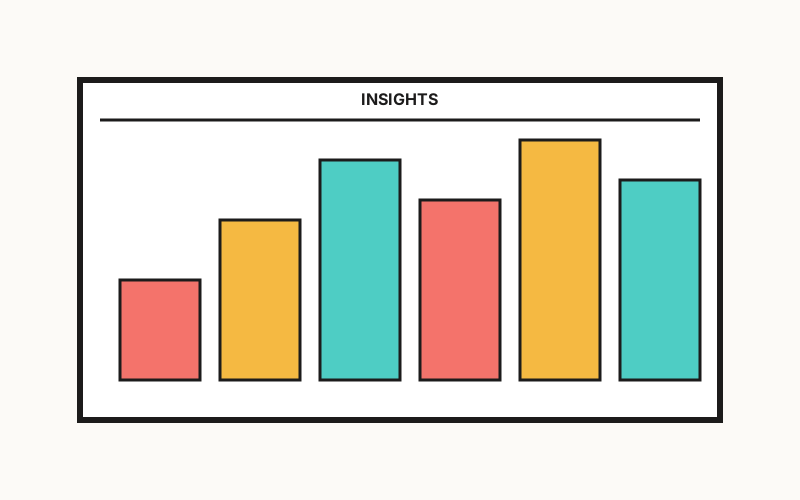
The most valuable insights are the ones that contradict your assumptions. Maybe your bestselling service isn't your most profitable. Maybe most of your website traffic comes from a source you barely invest in. Maybe customers abandon your checkout at the same step every time. These surprises are opportunities, but only if you're looking.
PRACTICAL TIP
Block 30 minutes every Monday to review last week's numbers. No distractions. Just you, the data, and one question: "What should I do differently this week?"
July 1, 2026 · 2 min read
Inconsistent logos, colours, and tone across your website, social media, and invoices quietly erode trust. Here's how to fix it without a rebrand.
READ ARTICLE
June 28, 2026 · 2 min read
If you or your team repeat the same steps every week, you're probably wasting hours that automation could give back. Here's where to start.
READ ARTICLESometimes a short conversation is worth more than a dozen articles. We're here when you're ready.